How to Find Reliable Aesthetic Clinics Near Me
When I first started looking into aesthetic treatments, the search "clinics near me" felt like a gamble. I typed it into my phone, got a list of names, and had no real way to tell which ones were worth my time. Over the years, I have learned that finding a good clinic is not just about convenience. It is about safety, results, and the kind of aftercare that makes a real difference. Whether you are considering Botox for the first time or you are a regular patient looking for a change, knowing how to evaluate your options is essential.
The aesthetic industry in the UK has grown quickly, and with that growth comes a mix of highly skilled practitioners and less experienced providers. A private clinic might advertise the latest radiofrequency machine or offer a discounted chemical peel, but the real value lies in the person performing the treatment and the environment they work in. I have seen too many people choose a clinic based on price alone, only to regret it later. That is why I want to share what I have learned from my own experiences and from talking to others in the field.
What to Look for in a Clinic
Before you even book a consultation, there are a few things you can check from home. First, look at the clinic's website and social media. A reputable clinic will clearly list their services, the qualifications of their practitioners, and the brands they use. For example, if they offer dermal fillers, they should mention specific products like Juvederm or other reputable hyaluronic acid fillers. If they offer anti-wrinkle injections, they should be open about which neurotoxin they use and how they source it.
Second, check for real patient reviews. Not just the five-star ratings, but the detailed ones that describe the experience from start to finish. A good review will mention the consultation process, the cleanliness of the treatment room, and how the practitioner handled questions. If you see a pattern of complaints about poor aftercare or rushed appointments, take it seriously.
Third, look for evidence of ongoing training. Aesthetic medicine changes fast. A practitioner who stays updated on techniques like microneedling, chemical peels, or laser hair removal is more likely to give you safe and effective results. Some clinics also offer medical-grade skincare products, which can be a good sign that they take a comprehensive approach to skin health.

The Value of a Consultation
I always recommend booking a consultation before any treatment. A good consultation is not just a quick chat. It should include a thorough assessment of your skin, a discussion of your goals, and an explanation of what the treatment involves. The practitioner should ask about your medical history, any allergies, and your expectations. They should also be honest about what a treatment can and cannot do.
For instance, if you are interested in IPL for pigmentation, the practitioner should explain how many sessions you might need and what kind of results to expect. If you are considering Thermage for skin tightening, they should discuss the downtime and the sensation during the procedure. A consultation is also your chance to ask about the equipment they use. CACI machines, for example, are popular for facial toning, but they are not the same as radiofrequency devices. Knowing the difference helps you make an informed choice.
I have been to clinics where the consultation felt like a sales pitch, and I have been to others where the practitioner genuinely wanted to understand my concerns. The latter always led to better outcomes. If a clinic pushes you to book a treatment on the same day or pressures you into a package you are not sure about, that is a red flag. A good clinic gives you time to think.
Understanding the Different Types of Providers
Not all aesthetic providers are the same. On one end, you have NHS hospitals and private clinics run by doctors or nurses. These places often have strict protocols for hygiene and aftercare. On the other end, you have beauty salons and spas that offer treatments like HydraFacial or cosmetic acupuncture. A spa can be a great place for relaxing facials, but it may not be the best choice for injectables or laser treatments.
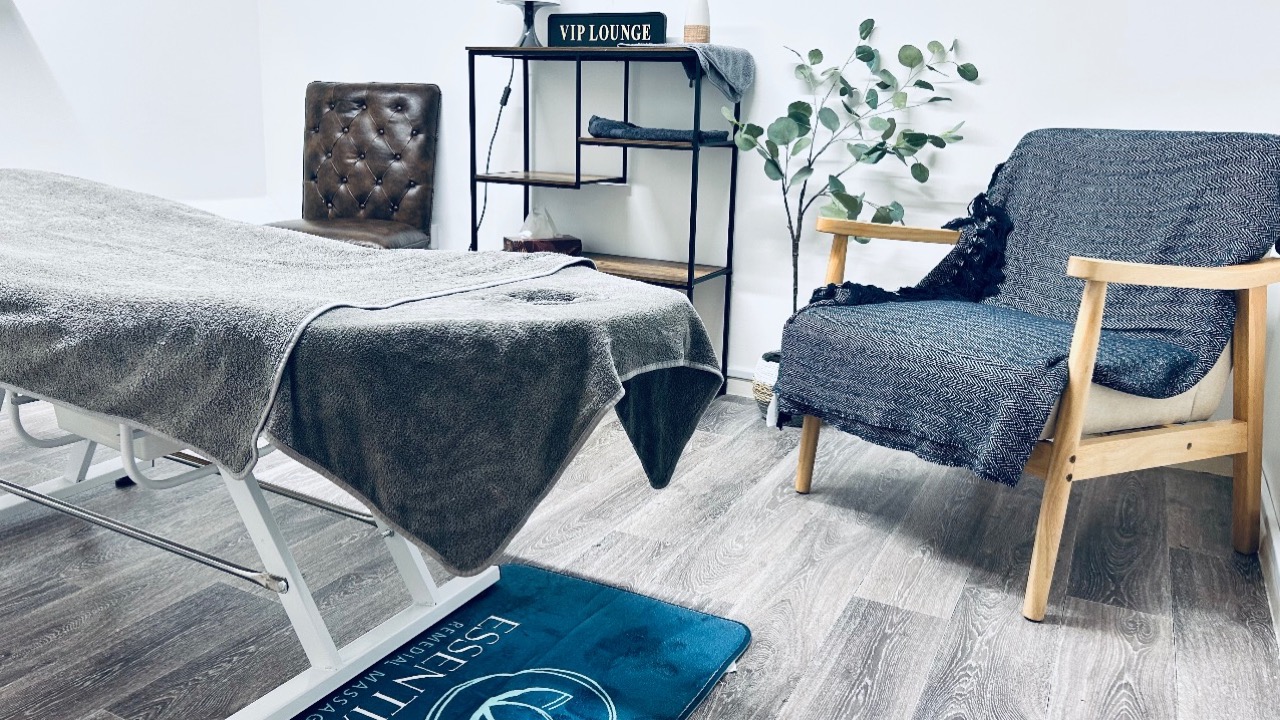
There is also the growing trend of independent practitioners who rent a treatment room in a larger facility. This can work well if the practitioner is highly skilled and the room meets clinical standards. I have had excellent results from a practitioner who worked out of a small room but had years of experience with fillers and microneedling. The key is to verify their credentials regardless of the setting.
When I search for "clinics near me" now, I focus on the type of provider that matches the treatment I want. For something like laser hair removal, I look for a clinic that uses medical-grade lasers and has a nurse or doctor on site. For a HydraFacial or a chemical peel, a reputable beauty salon with trained staff can be perfectly fine. The point is to match the provider to the complexity of the treatment.

Common Treatments and What to Expect
Here is a quick overview of some popular treatments and what you should keep in mind when choosing a clinic for each:
- Botox and anti-wrinkle injections: Look for a practitioner who understands facial anatomy and can explain where they will inject. Ask about the brand they use and whether they offer a follow-up appointment.
- Dermal fillers like Juvederm: These require precision and experience. A good practitioner will discuss the type of filler, the depth of injection, and the potential for swelling or bruising.
- Microneedling and radiofrequency: These stimulate collagen but need proper aftercare. A clinic should provide detailed instructions for the days following treatment.
- Laser hair removal and IPL: The type of laser matters for your skin tone and hair colour. A consultation should include a patch test to check for reactions.
- HydraFacial and chemical peels: These are gentler but still require a professional who knows how to adjust the strength for your skin type.
Each treatment has its own risks and benefits. A good practitioner will be upfront about both. I once had a chemical peel that was too strong for my skin, and the practitioner did not warn me about the potential for redness that lasted a week. That experience taught me to ask more questions before any procedure.
The Role of Aftercare
Aftercare is one of the most overlooked parts of an aesthetic treatment. A good clinic will give you clear instructions on what to do after your appointment. For example, after a HydraFacial, you might need to avoid certain skincare ingredients for a day or two. After microneedling, you may need to stay out of the sun and use a gentle cleanser. After injectables, you should avoid massaging the area unless instructed.
I always ask about aftercare before I agree to a treatment. If the practitioner seems vague or rushed, I take that as a warning. A clinic that cares about your results will also check in with you after the treatment to see how you are healing. That kind of attention is worth more than a discount.
Why Local Matters More Than You Think
When I search for "clinics near me" now, I consider the practical side of location. If you need a series of treatments, like a course of laser hair removal or multiple sessions of Thermage, being close to the clinic saves time and makes it easier to stick with the plan. It also helps if you have any complications. If you need to go back for a touch-up or a check-up, a nearby clinic is far more convenient than one that requires a long drive.
That said, do not let proximity be the only factor. I have driven an hour for a treatment because the clinic had a practitioner who specialised in the exact technique I needed. Sometimes the best clinic is not the closest one. But for routine treatments or maintenance, a local clinic can be a great fit.
Final Thoughts on Choosing a Clinic
Finding the right aesthetic clinic takes a bit of work, but it is worth the effort. Start with a clear idea of what you want, do your research, and trust your instincts during the consultation. A good practitioner will make you feel heard and respected. They will also be honest about what is possible and what is not.
The phrase "clinics near me" is a starting point, not a shortcut. Use it to find options, but then dig deeper. Look at their credentials, their reviews, and their approach to safety. Ask about the products they use, the equipment they have, and the training they have completed. In the end, the right clinic is one where you feel confident that you are in good hands.
Corrections
Spot something wrong? Send it to the desk and it gets fixed in the open.